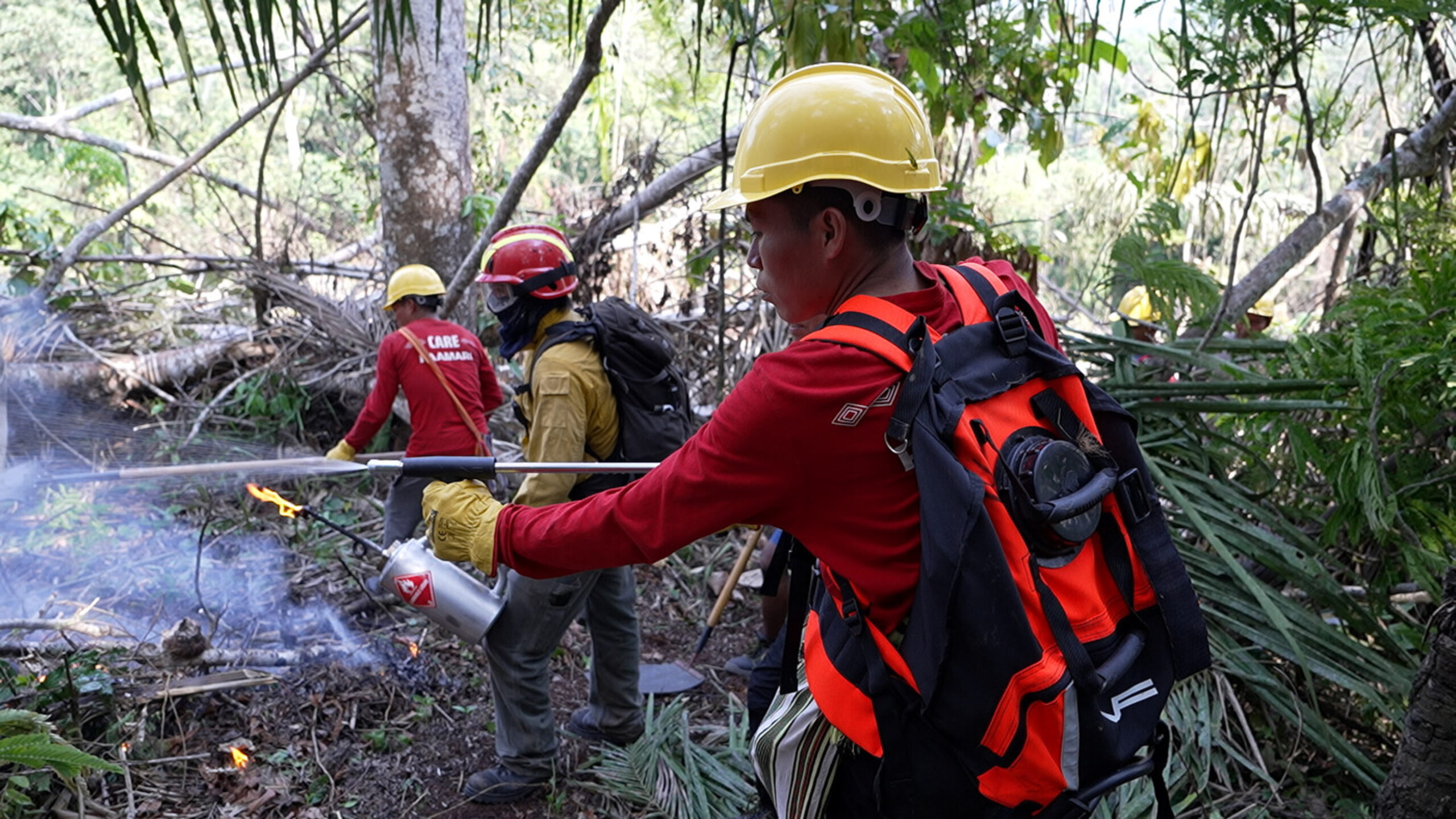
Indigenous forest fire brigades shortlisted for global climate award
The winner will be announced at a London awards ceremony on June 18th.
Our partners, Central Asháninka del Río Ene (CARE), an Asháninka Indigenous organisation based in the Amazon, have been shortlisted for the prestigious 2026 Ashden Award for Tropical Forest Protection.
The nomination recognises their Indigenous-led Integrated Fire Management strategy known as PAAMARI, which means “fire” in the Asháninka language.
Fire prevention in the Amazon.
Supported by Cool Earth, PAAMARI blends Indigenous wisdom with cutting-edge satellite technology to prevent and reduce wildfires. The strategy combines prevention, early warning, safe-burning practices, and rapid response. As a result, wildfires in their territory dropped from 25 in 2023 to nine in 2024, and to zero in 2025.
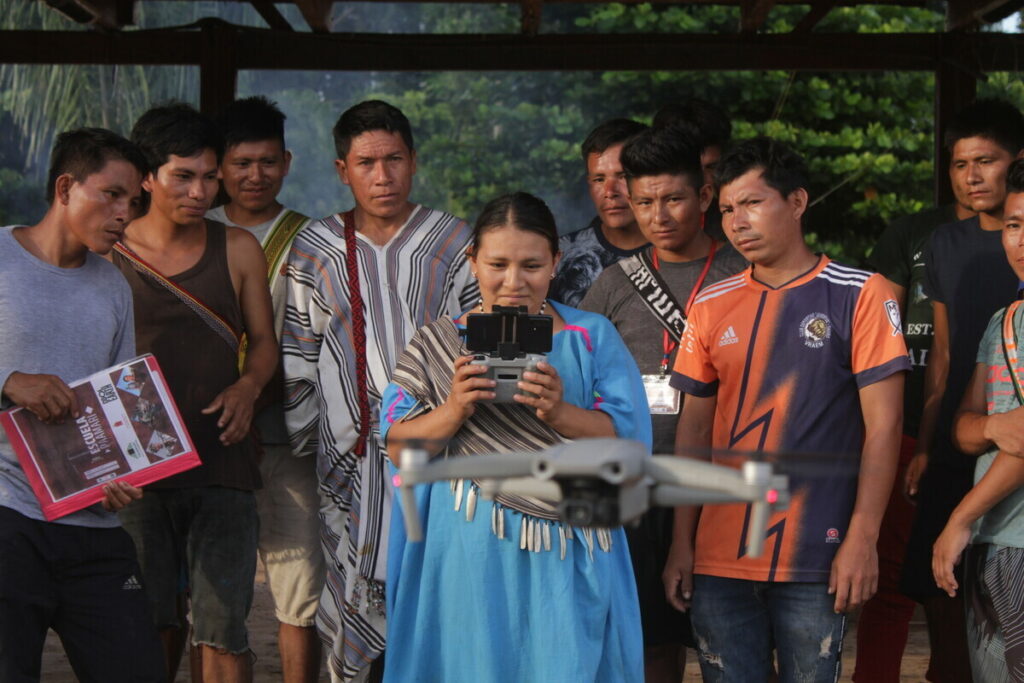
Spanning 45 communities in Peru’s Ene Valley, the organisation trains local community members to serve as fire brigade members. The training covers technical fire-related topics, the use of drones and mapping technology to track fires, and practical strategies to reduce the risk of fires linked to farming and cultural practices spreading out of control.
David Torres, Coordinator & Monitoring Specialist (CARE) adds, “For us, fire management isn’t just about emergency response. It’s about prevention and protecting life, culture, and territory. These communities have always understood fire. Through PAAMARI, we strengthen that ancestral wisdom with tools like satellites, weather data, and rapid communication, enabling early action before fires turn into disasters.”
The impact of climate change.
Climate change and human activity have left the Amazon increasingly dry and vulnerable to wildfires, with recent data showing that global fire-related forest loss has more than doubled in the last two decades. In Peru’s Ene River basin, these fires do more than just destroy trees; they wipe out the crops, medicinal plants, and clean water sources that Indigenous families rely on for survival.
The solution is a careful blend of ancestral wisdom, combined with modern technology, which is exactly what CARE and Cool Earth have achieved with the PAAMARI project.
The project, which has been running since 2023, reduces incidences of wildfires in three ways:
- Training community members to become fire brigade members: Rather than waiting for distant government aid, which can take days or weeks to arrive due to the remoteness of the region.
- Uses high-tech monitoring: The project uses daily satellite data and meteorological tracking to identify “hotspots” before they become into uncontrollable disasters.
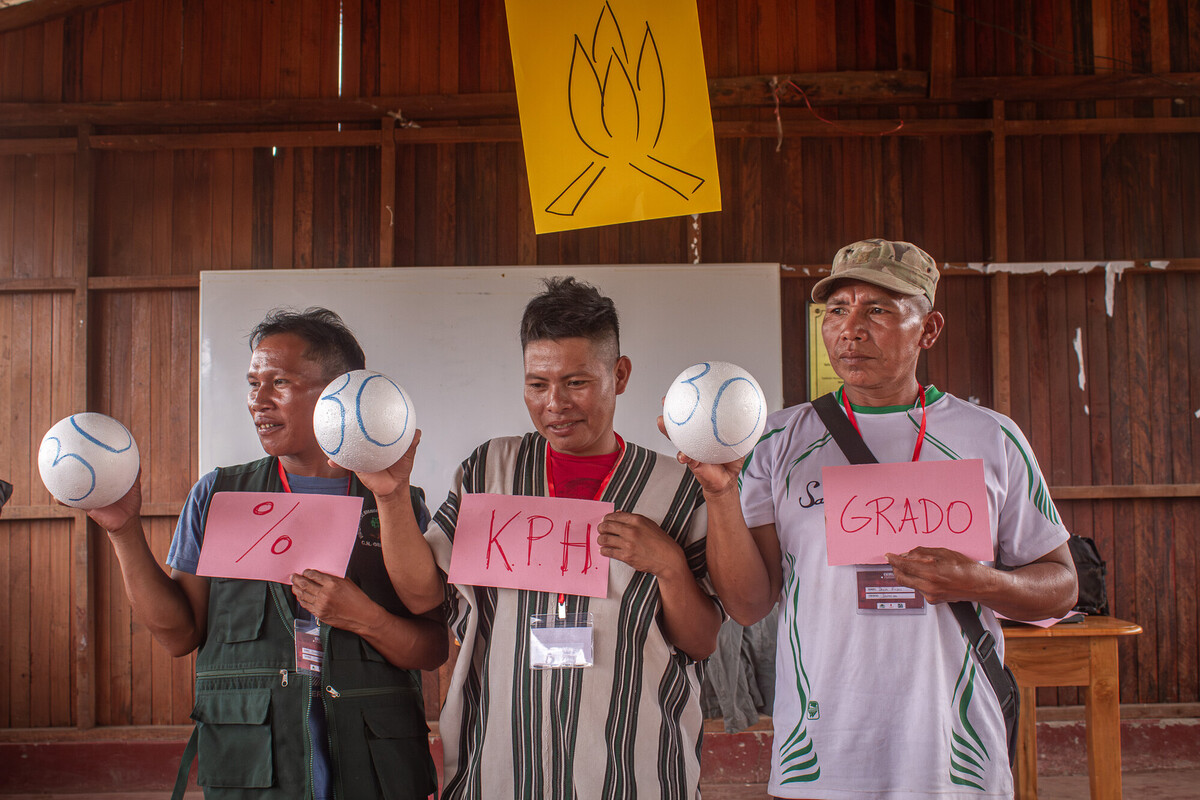
- Teaches safe burning practices: Instead of banning communities from using fires for farming and cooking, the project builds on the cultural use of fire by teaching safer, technical burning practices to prevent accidental spread.
The results have been dramatic.
- Fewer Fires and less damage in 2024 and 2023: As communities started to put learnings in place, the number of wildfires in the region dropped by 64%, and the total area burnt dropped by 81% on the previous year.
- A Fire-Free 2025: Thanks to early warning systems and rapid response, no wildfires have been recorded in the territory in 2025.
- Local Experts and long lasting solutions: Over 270 community members have been trained in fire management, including 55 fire brigade members.
“Winning the Ashden Award would be significant for Indigenous communities as well as the rainforest. In just its first two years, PAAMARI has already demonstrated strong results in reducing wildfires across the territory. The award would allow us to strengthen and expand this proven work — equipping volunteer Indigenous community fire brigade members with essential safety gear and providing a platform to embed Indigenous-led fire management as a gold standard within Peru’s national policy.”, says Ángel Pedro Valerio, President of CARE.
Indigenous Peoples are the most effective stewards of the rainforest, yet they are the most impacted by the climate crisis. This project has proven that with the right tools and respect for traditional knowledge, communities can protect one of the world’s most important ecosystems.