El Niño UK Weather Impacts: Summer, Autumn & Winter Effects.
El Niño has arrived, and it’s shaping up to be one of the strongest on record.
That could mean more extreme weather here in the UK, and even tougher conditions for the Indigenous communities protecting rainforest.
The rainforest is one of our best defences against this kind of extreme weather. One of the most practical ways to mitigate El Niño’s impact is to back the people already keeping the rainforest standing.
What is El Niño?
El Niño is a natural climate pattern that returns every two to seven years. As the surface of the Pacific Ocean warms, weather patterns shift across the globe, bringing floods to some regions and droughts, heat, and wildfires to others. Its opposite, La Niña, brings cooler ocean temperatures and different weather patterns.
During El Niño, the Pacific warms by at least 0.5°C above average. That might not sound like much, but it’s enough to reshape weather systems around the world.
This year’s El Niño could be the strongest since records began in 1950, with an 81% chance of ranking among the most powerful ever recorded – a ‘super El Niño’.
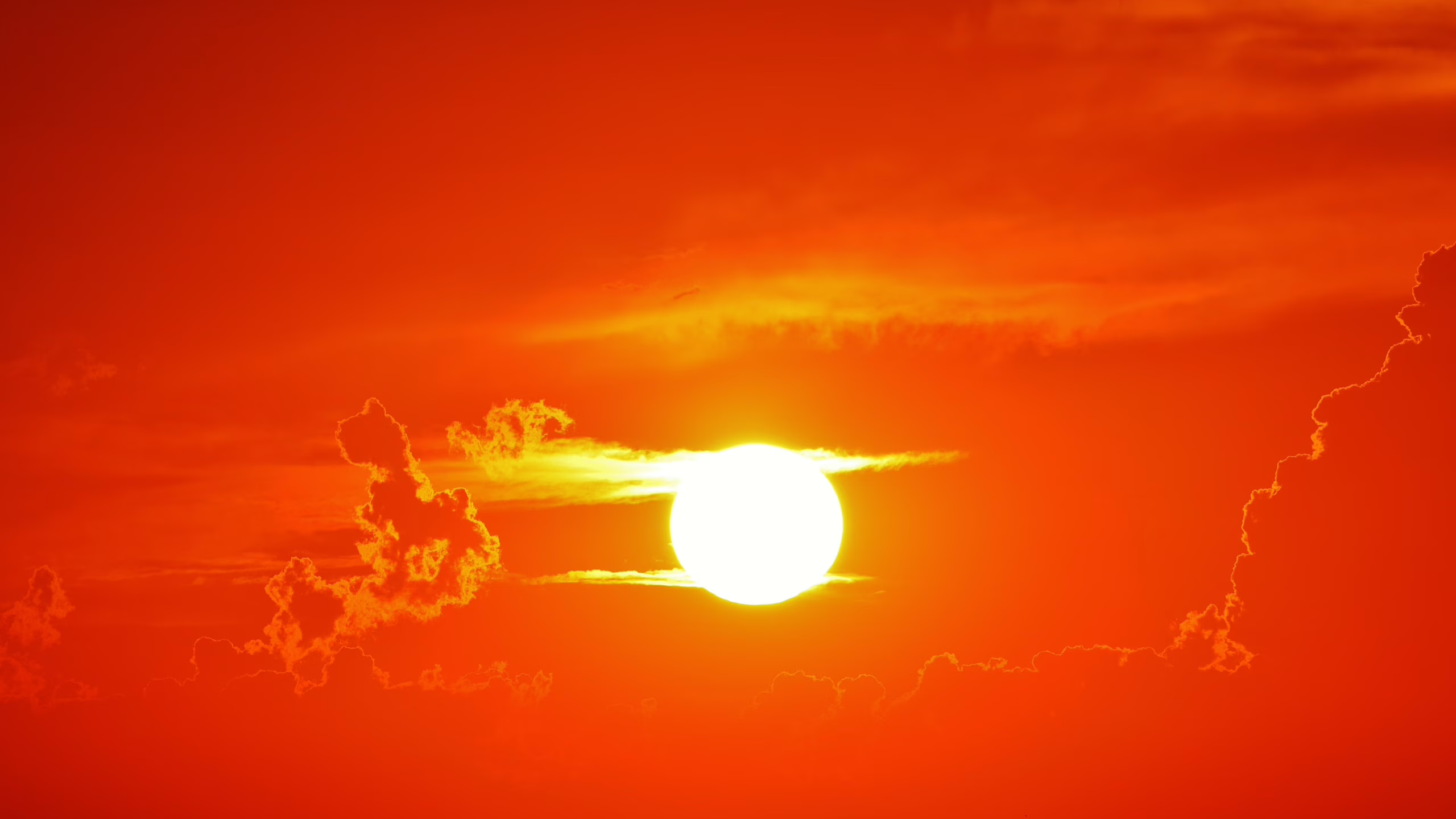
And a super El Niño doesn’t stay in the Pacific. It can bring hotter, drier conditions to parts of the Amazon, increasing the risk of drought and wildfire, while also making heatwaves more likely here in the UK.
It’s a reminder that our climate is connected. What happens in one part of the world doesn’t stay there.
How will a super El Niño affect the UK?
In the UK, that’s already showing up as five intense heatwaves between May and July.
Scientists link this pattern directly to rising global temperatures and rainforest stress. Left unchecked, we’re looking at 40°C UK heatwaves and a 2°C rise in global temperatures by 2050. Heat-related illness, wildfires, and transport chaos becoming the norm, not the exception.
The UK is currently built for a climate that no longer exists, and its instability is looking to only get worse if something doesn’t change now.
Will El Niño make UK winters colder?
The scale of this year’s El Niño is unprecedented so the effects aren’t guaranteed, but the UK is likely to have stormy, wetter weather through autumn and early winter.
Some areas of the UK may be at risk of extreme flooding from increased chance of intense rainfall as the climate crisis has made heavy downpours more common.
What affect does El Niño have on the rainforest?
The communities we partner with in the rainforest are already living through the effects of a changing climate, despite contributing the least to the crisis.
- Papua New Guinea: sudden highland frost is wiping out food gardens and crops. Coastal communities face serious water shortages from reduced rainfall.
- Peru: two El Niño effects are colliding. On the coast, torrential rain, flooding, and landslides are disrupting fisheries. In the Amazon, the opposite is happening; drought, heatwaves, and falling river levels are cutting off transport, damaging crops, and raising wildfire risk.
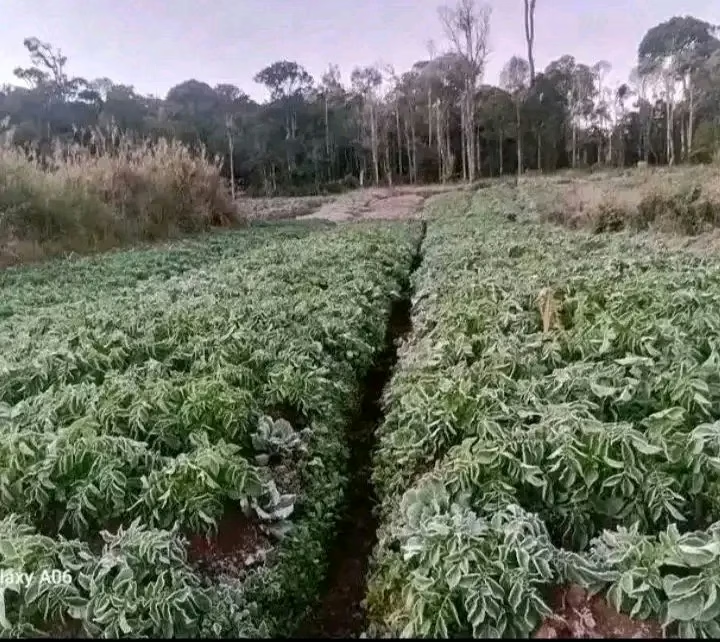
If this develops into a super El Niño, these conditions could last even longer, putting even greater pressure on the communities protecting some of the world’s most important rainforests.
How do Indigenous communities protect the rainforest?
The rainforest keeps our climate stable. As vital carbon sinks, they absorb up to 30% of all carbon emissions generated by the burning of fossil fuels.
Indigenous peoples have kept rainforests standing for generations. Their ancestral knowledge and deep-rooted relationship with these lands help protect the world’s most vital carbon sinks and keep them thriving.
And the evidence is clear: forests under Indigenous stewardship experience significantly less deforestation than those without it.
Our role at Cool Earth is simple. We don’t tell communities what to do. We provide people with unconditional cash, no strings attached, so they can make their own decisions. Whether that’s turning down a logging offer, investing in essential equipment, or funding their own emergency response when extreme weather hits.
It’s a direct response to exactly the kind of crisis El Niño creates: when a community controls its own resources, it can act on a threat before that threat becomes a disaster.
It’s simple and it works. Learn more about our direct cash impact.
Does backing Indigenous communities work?
Peru’s Asháninka communities show what happens when that backing meets a real emergency.
Through PAAMARI, our wildfire prevention partnership with Indigenous organisation CARE, nearly 200 people were trained in wildfire prevention, and have gone on to become certified forest firefighters.
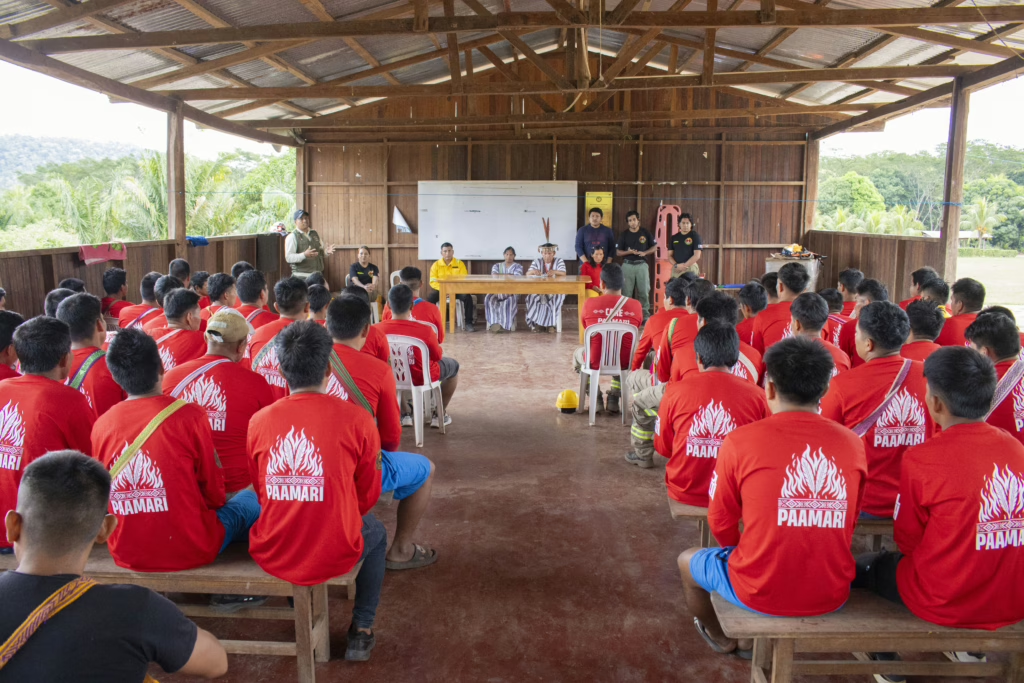
The result: wildfires in Asháninka partnership areas dropped from 25 in 2023 to 9 in 2024. Burned acreage fell from 6,543 acres to 402 — a 94% reduction, in one of the most volatile fire years the region has seen.
That’s not luck. That’s what trained, resourced communities can do when a crisis hits. With a super El Niño underway, that kind of frontline readiness matters more than ever.
How can you help rainforest communities affected by El Niño?
El Niño isn’t going anywhere this year, and the communities on its frontline need to be ready for what’s coming next. More drought in the Amazon, more frost in the highlands, more pressure on the systems already stretched thin.
Just £5 a day can back an entire family through Cool Earth, giving them the choice to protect their forest instead of selling it off to survive.
- Donate today and your money goes directly to Indigenous-led communities in Peru and Papua New Guinea.
- Every pound funds unconditional cash, not consultants, conditions, or middlemen.
- You’re backing the people with the best track record on Earth for keeping the rainforest standing.
The heatwaves hitting the UK and the droughts hitting the Amazon are two symptoms of the same crisis. The fix isn’t complicated. It’s funding the people who are already doing the work.
Back the people protecting rainforest through the world’s most extreme El Niño in decades. Donate today.