How do Local Communities use data to protect the rainforest?
Growing up in a remote community in Papua New Guinea, Liddie felt she faced limited opportunities after failing her school exams. “I felt like there was nothing left for me. I was on the brink of giving up”.
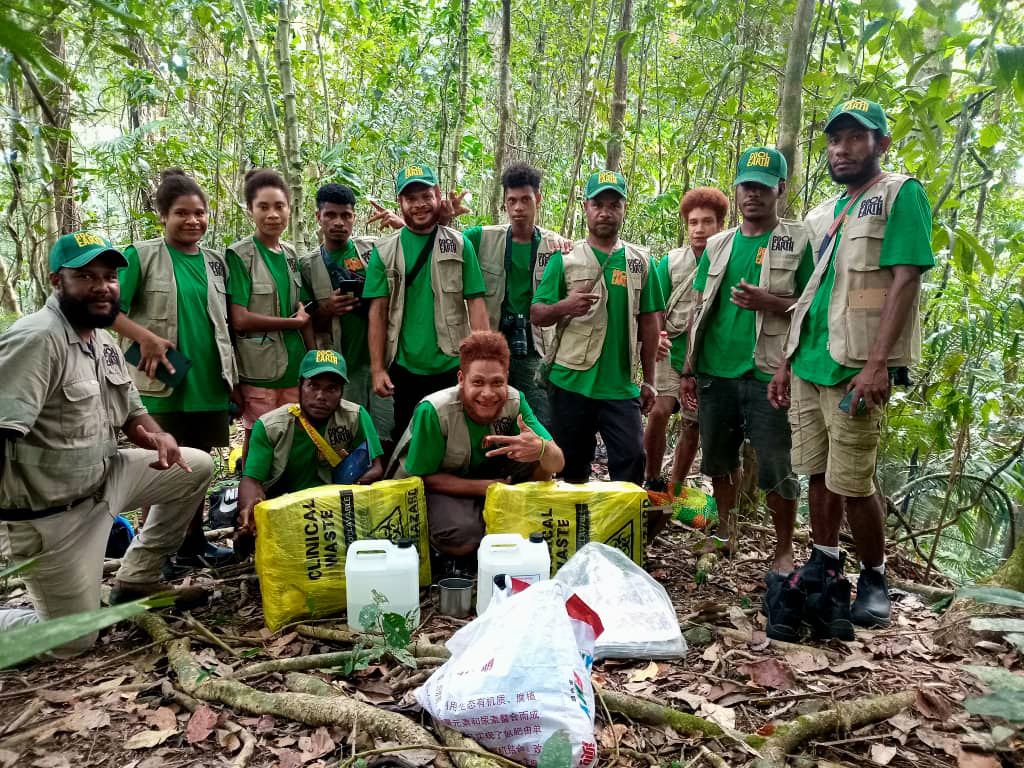
So, when we invited Liddie to train as one of our 15 biodiversity students, she jumped at the chance.
“It felt like an answer to my prayers. I didn’t want to just stay at home or rush to get married and have a family. I wanted to do something.”
Liddie’s community has long drawn on traditional knowledge and practices to care for the rainforest they call home. But, until recently, they weren’t able to collect and record the data that could help build a clearer picture of the rainforest in its entirety and any risks to its future – including those posed by illegal logging and the impacts of climate change.
Addressing the data access inequalities.
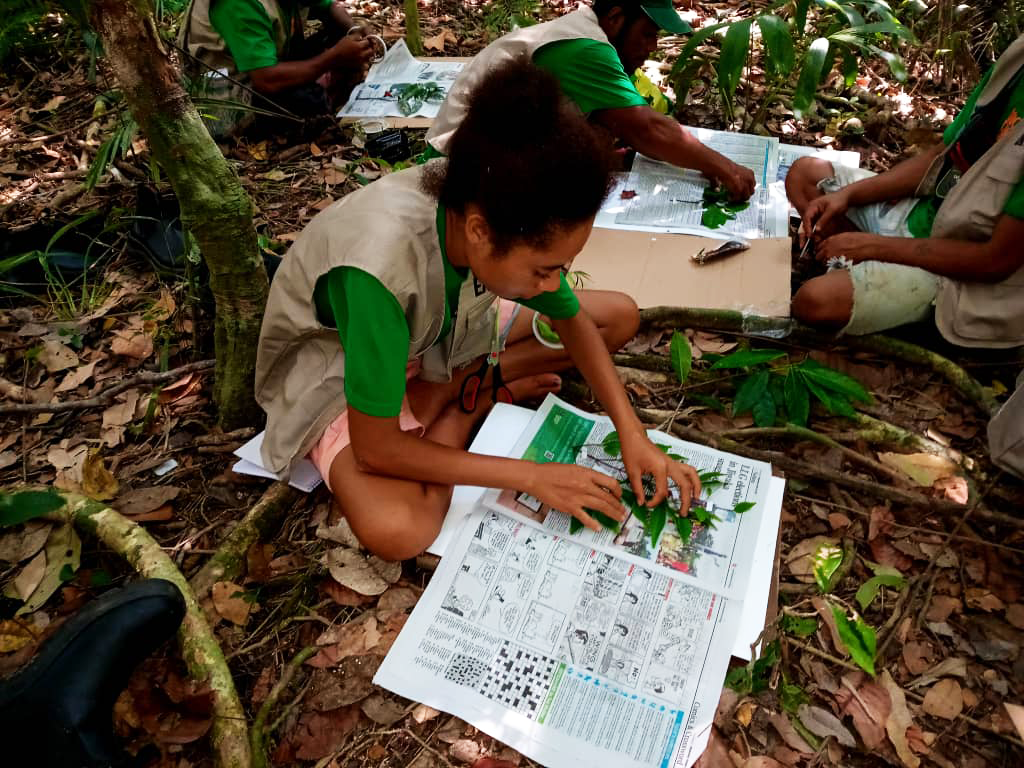
With training from Cool Earth, Liddie has learned how to use technology to download, process, share, and utilise open-source satellite data; something that academics, NGOs, and governments have long been able to do. This gives Liddie’s community a seat at the table on rainforest protection, where their expertise is vital.
“Technology is becoming central to Indigenous people’s fight to maintain their territories,” says our Forest Impact Lead, Matt Proctor. “It’s strange that anyone can quickly Google deforestation in Papua New Guinea, yet Indigenous peoples, who are first to notice it, have been the last to know its full extent.”
Armed with new skills, Liddie and other students now monitor forest health, track species, and document changes in their environment. Using apps, they gather data on frogs, birds and trees. Their observations can reveal early warnings – such as the decline in local crab populations, a vital food and income source. Liddie now works to raise awareness about sustainable harvesting and the need for seasonal bans to allow stocks to recover.
Protecting places like Wabumari matters to us all.
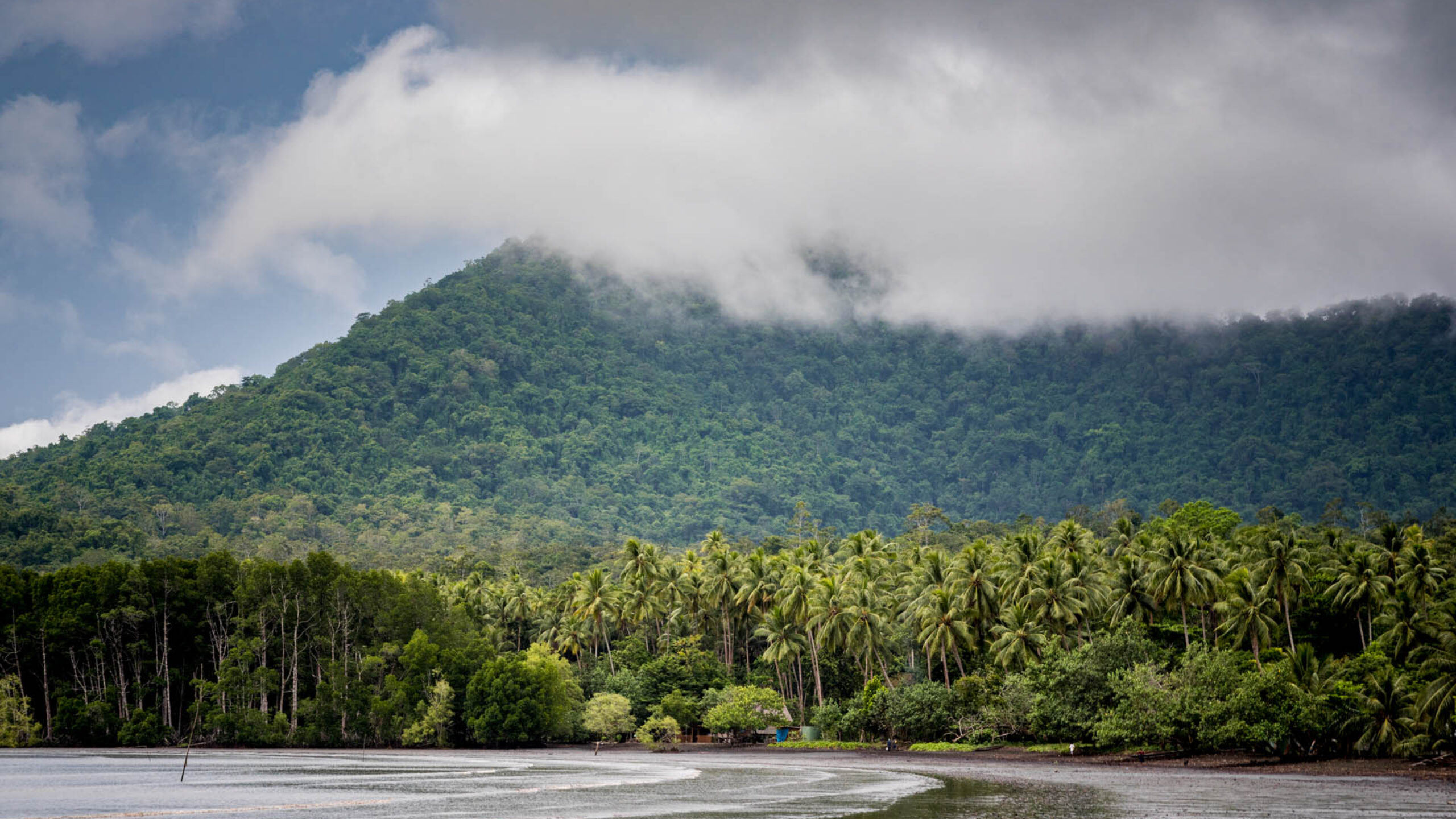
The stakes are enormous. Liddie comes from a community called Wabumari, where 2,074 hectares of rainforest hold roughly 955,000 trees, removing more than 1,000 tonnes of carbon from the atmosphere every year. If loggers were to strip this forest, the carbon released would accelerate climate change and trigger far-reaching ecological consequences.
Our Rainforest Lab, built in the heart of the community, has become a hub for this work. The lab provides laptops, GPS trackers, Wi-Fi, and electricity, which are rare resources in such a remote location. It also offers space for training, collaboration, and knowledge-sharing.
For Liddie, who has recently become a full Forest Monitor, the lab represents a transformed future. “Having a lab in my community is the biggest blessing,” she says. “I’m very happy to continue this work and I’m so grateful to Cool Earth for giving me this chance to give back to my community.”
The lab will also welcome students from across Papua New Guinea, helping inspire the next generation of rainforest protectors and ensuring they have the tools to defend one of the world’s most important carbon stores.

For Liddie, donations mean more than resources.
They mean the next young person in Wabumari who didn’t finish school might still find a path into conservation. They mean more students learning to read satellite data, conduct biodiversity surveys, and raise awareness about threats to the ecosystems their families have protected for generations.
Donating helps Local Communities strengthen the front line of rainforest protection.